Picture archiving and communication
Transmit, store, retrieve, distribute, and manage medical images through a connected PACS environment.

Imaging transmission + management
Move medical images where they need to go, manage the archive, and coordinate work across locations through one centrally hosted medical imaging information system.
Core capabilities
Transmit, store, retrieve, distribute, and manage medical images through a connected PACS environment.
Maintain image storage for healthcare institutions and individual patients with secure online access.
Link multiple locations through shared scheduling, worklists, reporting operations, and study status.
Deploy on Google Cloud, Microsoft Azure, or AWS according to your infrastructure and regional needs.
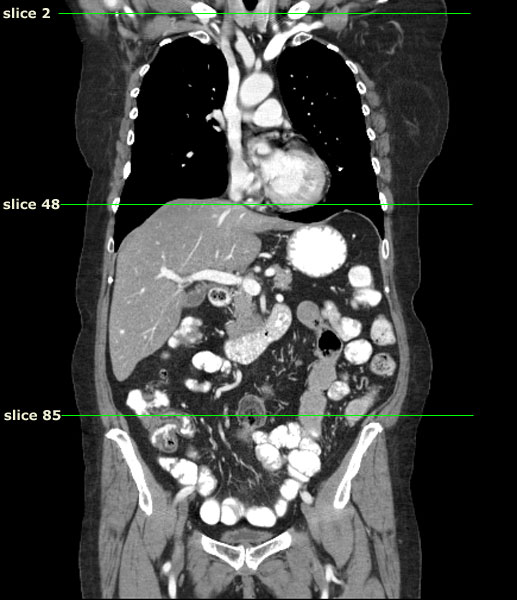
Access built around the study
Clinical teams can organize imaging across an institution. Patients can retain online access to the studies held for them. The same platform supports image exchange, clinical review, and the reporting workflow around each exam.
Deployment choice
PACS.ai supports custom deployment configurations across three major cloud providers.
Common questions
A cloud PACS transmits, stores, retrieves, and manages medical images on cloud infrastructure instead of tying the archive to one on-premises environment.
Yes. C-RIS links multiple locations through shared scheduling, worklists, and reporting workflows.
Plan your imaging system